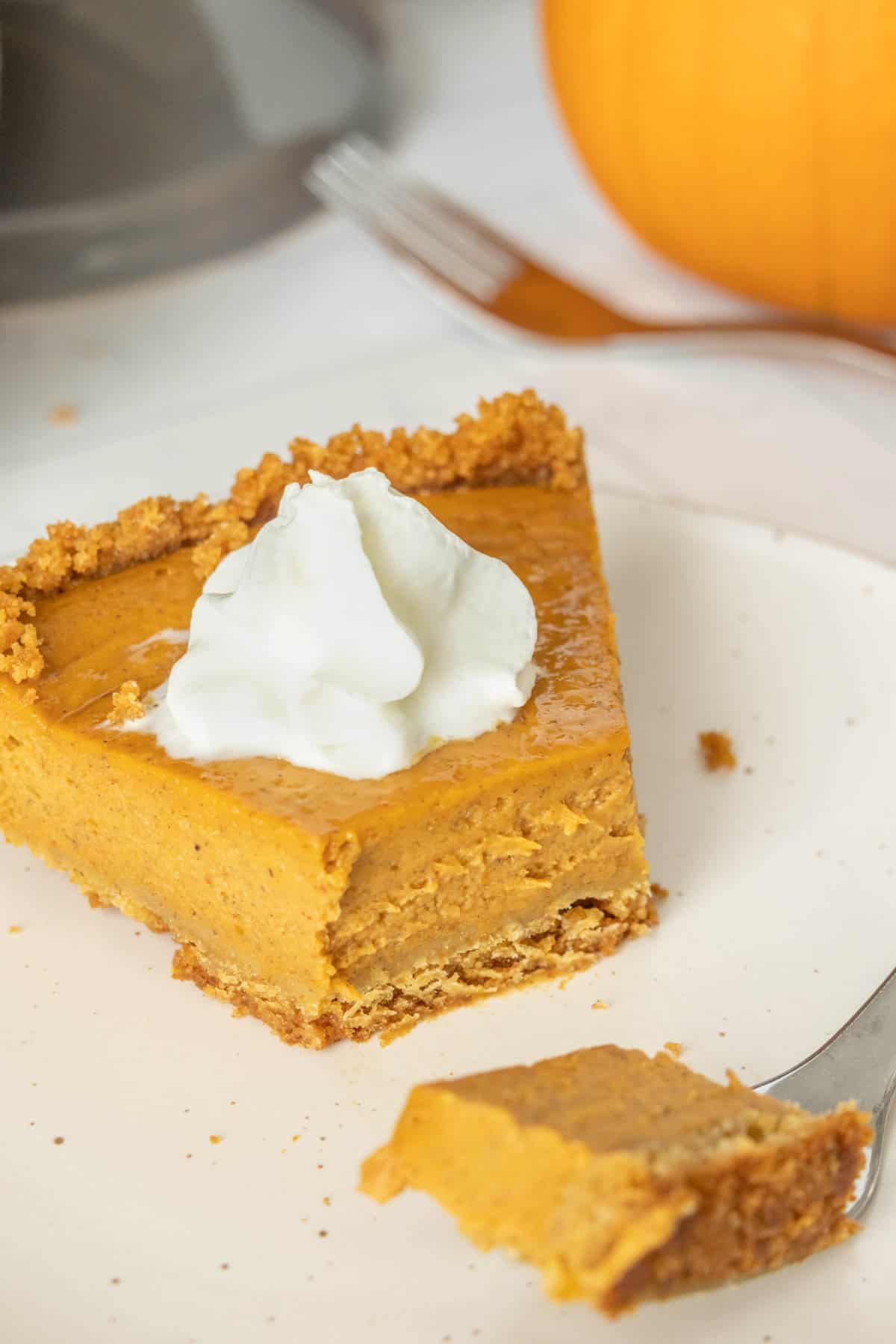
Unveiling the Perfect Autumn Indulgence: Creamy Pumpkin Pie with Graham Cracker Crust
As autumn leaves begin to fall and the air turns crisp, there's one dessert that consistently captures the spirit of the season: pumpkin pie. While the classic flaky pastry crust holds a special place in many hearts, an increasing number of home bakers are discovering the delightful simplicity and buttery crunch of a pumpkin pie with graham cracker crust. This delightful combination not only streamlines the baking process but also adds a unique texture and flavor dimension. But beyond the crust, a pivotal decision awaits: which filling will truly elevate your pie to perfection? We're diving deep into the age-old debate of sweetened condensed milk versus tangy buttermilk fillings, helping you decide which creamy creation best suits your palate.
The Allure of a Graham Cracker Crust: Simplicity Meets Flavor
One of the most appealing aspects of a pumpkin pie with graham cracker crust is its sheer ease of preparation. Forget the stress of rolling out delicate dough, avoiding cracks, or blind baking to perfection. A graham cracker crust is a dream come true for busy holiday bakers and novice cooks alike. It’s a no-fuss foundation that delivers big on flavor and texture.
Why Choose a Graham Cracker Crust?
- Effortless Preparation: Made from just a few simple ingredients – typically crushed graham crackers, melted butter, and a touch of sugar – this crust requires no chilling, rolling, or extensive handling. You simply mix, press, and bake (or chill, depending on the recipe).
- Buttery Crunch: The texture is a standout feature. Unlike a traditional pastry crust, a graham cracker crust offers a satisfying, buttery crunch that perfectly complements the smooth, creamy pumpkin filling.
- Versatility: This crust isn't just for pumpkin pie! It's a tried-and-true base for a variety of desserts, from Key Lime Pie to chocolate pudding pie, proving its reliable performance and delicious outcome. Its slightly sweet and spiced flavor profile makes it an ideal canvas for many fruit and cream fillings.
Crafting Your Own Graham Cracker Crust
While store-bought graham cracker crusts offer ultimate convenience, making one from scratch is incredibly simple and often yields superior flavor. You'll need:
- Graham Cracker Crumbs: Start with whole graham crackers and crush them finely using a food processor or by placing them in a Ziploc bag and crushing with a rolling pin. Consistency is key here for a compact crust.
- Melted Butter: We recommend using salted butter, as it subtly seasons the crust, enhancing its flavor profile. If using unsalted butter, a small pinch of salt will achieve a similar effect. The butter acts as the binder, holding the crumbs together.
- Sugar: Light brown sugar is a popular choice for its caramel notes, but granulated white sugar, superfine, or caster sugar also work wonderfully. For a deeper molasses flavor, dark brown sugar or even Muscovado sugar can be substituted.
Once mixed, the damp, coarse crumbs are pressed firmly into the bottom and up the sides of your pie dish. For a crispier crust, a short pre-bake (around 8-10 minutes) can make a significant difference. Alternatively, chilling the crust can help it set and prevent crumbling. For a comprehensive guide to mastering this simple crust, check out our related article: Simple Pumpkin Pie with Graham Cracker Crust: An Easy Fall Dessert Guide.
Battle of the Fillings: Condensed Milk vs. Buttermilk
With your perfect graham cracker crust ready, the next exciting step is deciding on the filling. Both sweetened condensed milk and buttermilk offer distinct flavor profiles and textures, transforming your pumpkin pie with graham cracker crust in unique ways.
The Classic Creaminess: Sweetened Condensed Milk Filling
For many, the mention of creamy pumpkin pie immediately conjures images of a filling made with sweetened condensed milk. This is the hallmark of a rich, sweet, and incredibly smooth pie that has graced countless holiday tables.
- Flavor Profile: Expect a truly decadent, intensely sweet, and beautifully spiced pumpkin flavor. The condensed milk provides a luxurious mouthfeel that is undeniably satisfying.
- Key Ingredients and Their Roles:
- Sweetened Condensed Milk: This ingredient is the star, offering both sweetness and an unparalleled creamy texture. It eliminates the need for additional sugar and ensures a silken consistency. If you're out, evaporated milk can be substituted, but you'll need to increase the brown sugar by about a quarter cup to compensate for the lost sweetness.
- Pumpkin Puree: Whether fresh or canned, ensure you're using pure pumpkin puree, not pie filling (which is pre-spiced and sweetened). If using fresh pumpkin, cook it down until very soft and strain out any excess water for the best results.
- Eggs: Eggs are crucial for the pie's set. They provide the structure that transforms the liquid filling into a smooth, sliceable custard. Typically, two large or three medium eggs will achieve that perfect silky set.
- Flour: A small amount of all-purpose flour (or a 1-to-1 gluten-free baking flour for a GF option) helps thicken the filling and provides additional stability.
- Spices & Vanilla: A harmonious blend of cinnamon, ginger, nutmeg, and cloves defines the quintessential pumpkin pie flavor. Many recipes call for these individually, allowing for customization, or you can opt for a pre-mixed pumpkin pie spice blend for ease. Vanilla bean paste, extract, or even artificial vanilla enhance the overall aroma and taste.
- Ideal for: Those who crave a classic, rich, and very sweet pumpkin pie experience. It's the ultimate comfort food dessert, perfect with a dollop of whipped cream.
Tangy Twist: The Buttermilk Pumpkin Pie Filling
If you're looking for a pumpkin pie that offers a brighter, slightly lighter, and uniquely tangy flavor profile, a buttermilk filling might be your new favorite. This version provides an exciting twist on the traditional, without sacrificing any of the comforting fall flavors.
- Flavor Profile: The buttermilk introduces a subtle tanginess that cuts through the richness of the pumpkin and spices. The result is a less cloyingly sweet pie, often described as having an "extra zing." It feels a bit lighter on the palate compared to its condensed milk counterpart.
- Key Ingredients and Their Roles:
- Buttermilk: This is the defining ingredient. Its acidity not only contributes to the unique flavor but can also impact the texture, often leading to a slightly firmer, yet still creamy, custard. It replaces evaporated or condensed milk entirely, creating a different culinary experience.
- Pumpkin Puree: As with the condensed milk version, pure pumpkin puree is essential. Draining fresh pumpkin of excess water is even more critical here to maintain the desired consistency.
- Eggs: Still necessary for setting the custard.
- Spices: A robust spice blend (cinnamon, ginger, nutmeg, cloves) is vital to balance the tanginess of the buttermilk and ensure a distinct fall flavor. Many prefer to make their own spice blend to adjust the intensity to their liking.
- Ideal for: Those who prefer desserts that are not overly sweet, appreciate a subtle tartness, or are looking for a refreshing take on a classic. It’s a fantastic option to shake up your holiday dessert spread.
Crafting Your Perfect Pie: Tips and Customizations
No matter which filling you choose for your pumpkin pie with graham cracker crust, a few universal tips will help you achieve perfection:
- Pumpkin Puree Pointers: Always double-check that you're buying pure pumpkin puree, not pumpkin pie filling. The latter already contains spices and sweeteners, which will throw off your recipe's balance. If using fresh pumpkin, remember to thoroughly cook it down and drain any excess water. This prevents a watery filling.
- Spice it Up: Don't be afraid to adjust the spice blend to your personal preference. Love ginger? Add a little extra! Prefer a strong cinnamon note? Go for it! Homemade spice blends often yield a fresher, more vibrant flavor than pre-mixed options.
- Baking for Perfection: Bake your pie until the edges are set and the center has a slight jiggle. Overbaking can lead to cracks and a drier texture. A good rule of thumb is to check around the specified baking time and remove it when it's almost, but not entirely, firm in the middle. The pie will continue to set as it cools.
- Cooling is Crucial: Allow your pumpkin pie to cool completely at room temperature, and then ideally chill it for several hours (or overnight) before slicing. This allows the filling to fully set, making for clean slices and optimal flavor development.
- Serving Suggestions: Both versions of this pie are divine on their own, but a dollop of freshly whipped cream, a sprinkle of cinnamon, or a scoop of vanilla bean ice cream can take them to the next level.
- Make Ahead Magic: Pumpkin pies are excellent make-ahead desserts. You can bake them a day or two in advance, cover loosely, and store them in the refrigerator, making holiday meal prep a breeze. If you're planning your holiday baking, consider this recipe to Skip the Hassle: Easy Graham Cracker Pumpkin Pie for Holidays.
Conclusion
Whether you lean towards the time-honored richness of a sweetened condensed milk filling or the vibrant tang of a buttermilk alternative, a pumpkin pie with graham cracker crust promises a delightful and stress-free autumn baking experience. The ease of the crust, combined with the versatility of the filling, makes this dessert a standout for any fall gathering, especially Thanksgiving. So, this season, embrace the simplicity and deliciousness of a graham cracker crust, choose your filling adventure, and create a memorable pumpkin pie that will impress everyone at your table.
